I could happily decorate my home with nothing more than beautiful pieces of wood with a finish on them. The colors, the figure, the feel of a freshly planed surface: sometimes the material itself is enough.
But choosing wood for fine woodworking involves more than finding an attractive board. How does it plane? Can you glue it reliably? Is it suited to a whole piece of furniture, or does its price make it a better choice for a box lid or an accent? And, critically, what will it look like after it ages?
These are my ten favorites, counting down from black cherry to a wood that has gradually displaced maple at the top of my list. They are personal choices, subject to change, but each gives me a good reason to get back to the bench.
Key Takeaways
- Compare freshly finished wood with aged examples before committing to its color.
- Expensive woods can make excellent accents without requiring enough material for an entire furniture piece.
- Bird’s-eye maple rewards a sharp plane blade, light cuts, and careful attention to tearout.
- Northern white pine earns my top spot for working pleasure and its rich, lived-in patina.
Before Choosing a Wood, Think About How It Ages
One of the simplest ways to get acquainted with a wood is to hand plane a surface and apply a little wax. That quickly reveals its color and figure, while the plane tells you something about its texture and working qualities.
A freshly finished sample only tells part of the story, though. Wood changes color with age and exposure to light. Sometimes that change is noticeable within a week. In particularly responsive woods, uneven exposure can leave a visible difference within hours.
Whenever possible, I like to compare fresh wood with something I made years ago. That is a much better guide to the furniture you will eventually live with than the brilliant color of a newly planed board.
10. Black Cherry: A Warm, Inviting Furniture Wood
Black cherry is a lovely furniture wood. Freshly planed heartwood has a pinkish, fleshy color and clearly visible grain. It is moderately hard, somewhere around walnut in my working experience, and not as hard as maple. It also has a warmth that makes you want to touch it.
The creamy white sapwood near the outside of the tree contrasts noticeably with the heartwood. Most people seeking that familiar cherry appearance try to avoid it.
Cherry planes well, but its most striking characteristic is how rapidly its color changes. I once took several cabinet doors outside to speed up the curing of the finish. After they dried, I stood a shorter door in front of a taller one. An hour or two of sunshine was enough to leave a visible line where the shorter door had shaded the taller one.
A jewelry box I made for my daughter Erica in 1988 shows the other side of that process. With only an oil finish, it developed a beautiful, rich color over the following 35 years.
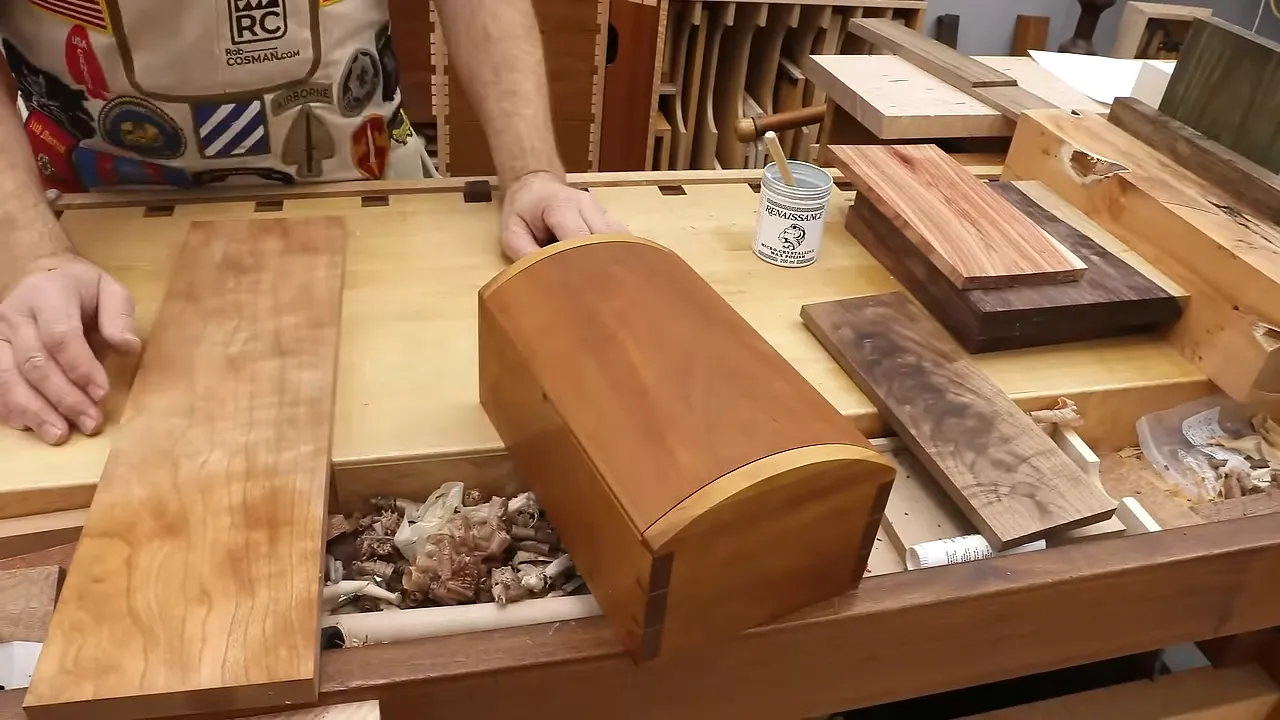
There are two cautions worth remembering:
- Avoid strong sunlight. I have cherry furniture whose sun-facing surfaces have bleached almost to the color of a maple benchtop, while the opposite surfaces remain much darker.
- Be careful with power tools. Cherry burns readily if a router feed is too slow or a board closes against a saw blade. Those burns can run surprisingly deep and take considerable work to remove.
Handled with those limitations in mind, it is an excellent choice for fine furniture.
9. Holly: Beautiful Because It Is So Plain
Why put such a plain wood on a favorites list? Because sometimes plainness is exactly what you need. Holly is wonderfully white, very fine textured, and capable of coming off a sharp hand plane with an almost silky surface. The thin ribbons it produces are remarkable.
It grows in the eastern United States, and it is expensive. Large pieces are not readily available in my experience, so I think of it primarily as an accent wood rather than something for an entire piece of furniture.
Holly excels wherever you want contrast. I used it for the drawer sides in a standing desk, and it makes the dovetails stand out beautifully against the darker adjoining wood.
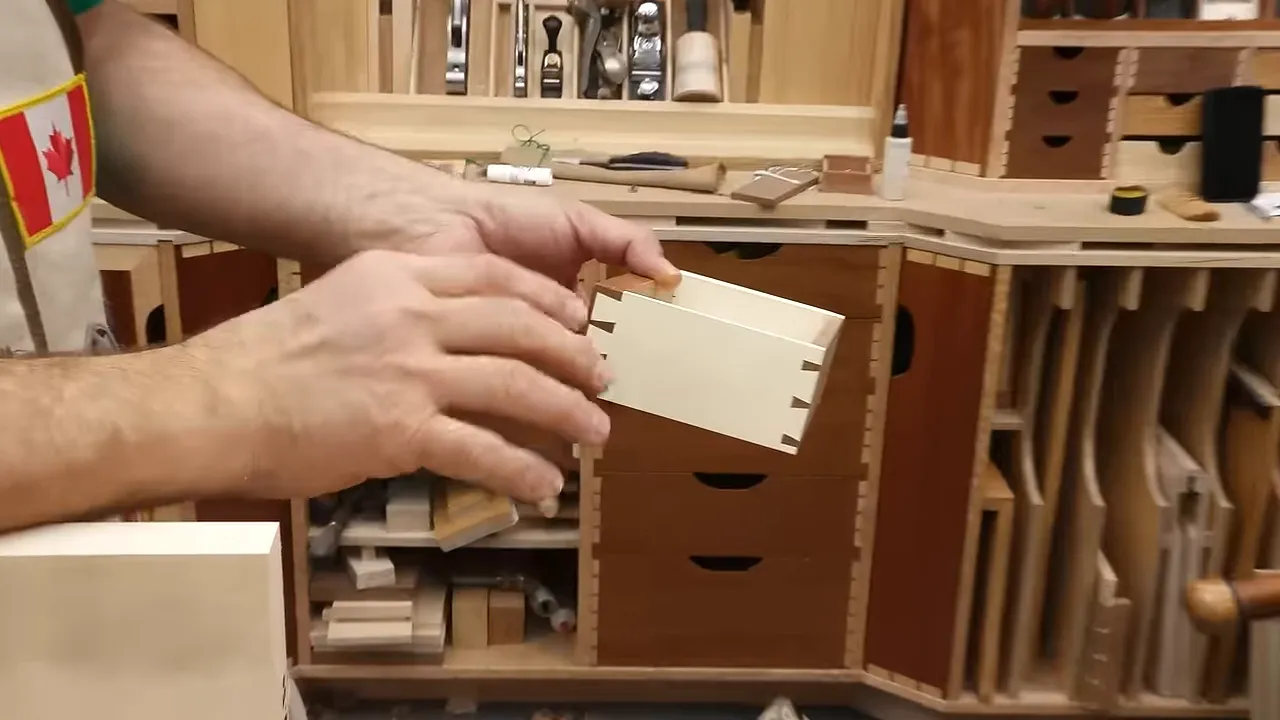
Another application was an English walnut box. I made narrow cuts with a dovetail saw, slipped thin pieces of holly into them, and glued them in place. A small amount of white wood creates a very distinct detail.
In hardness, I would put it roughly alongside maple. I do not notice much smell when working it. As for stability, I have not used sufficiently large pieces to make a broad judgment. Drawer sides about 3 inches high and 16 to 17 inches long have given me no trouble, but that is different from knowing how a wide furniture panel will behave.
If cost and supply allowed it, I would love to use holly for all my drawer sides. It feels that good straight from the plane.
8. Cocobolo: Spectacular Color With Some Practical Challenges
Cocobolo is an exotic wood from Central America, and a fresh surface can be extraordinary. You can find yellows, purples, browns, and blacks all running through the same piece. Apply a little finish and those colors become even richer.
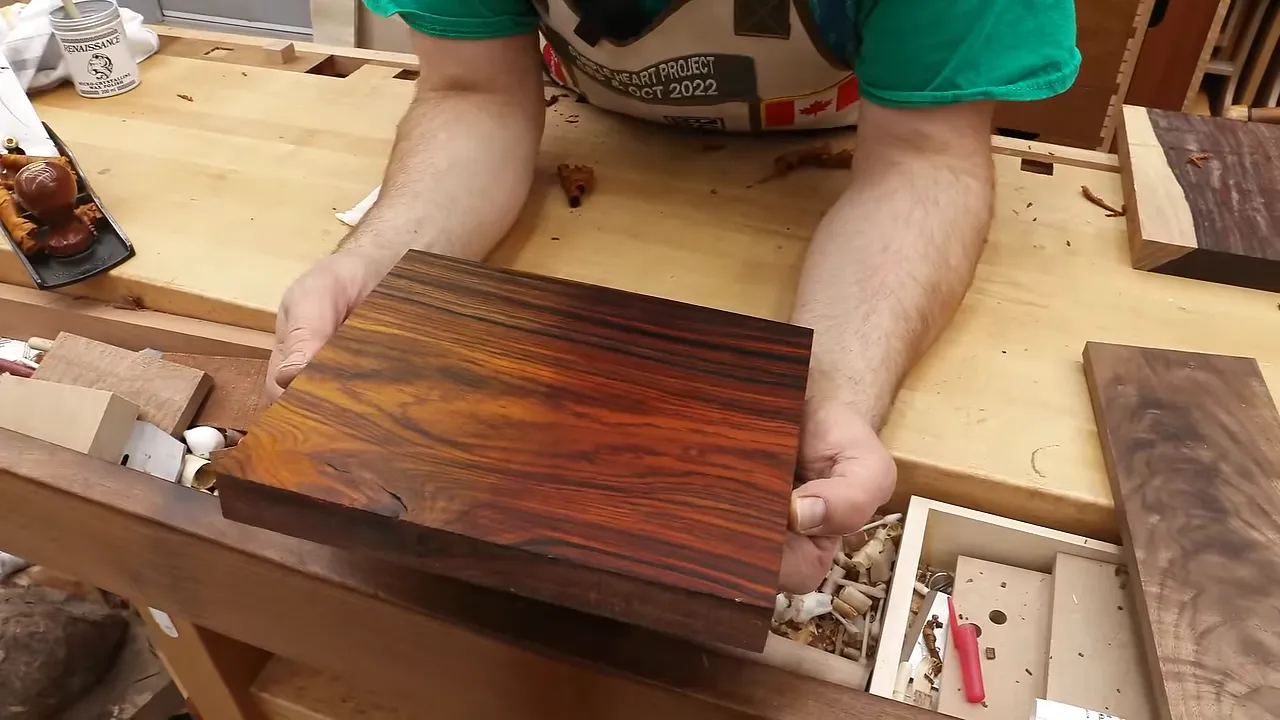
Because of its cost, I generally reserve cocobolo for small boxes, box ends, accents, and tool handles. It is extremely hard and dense enough to sink in water. It also has a distinctive smell that reminds me of cinnamon.
There are three important considerations before using it:
- Dust exposure matters. Cocobolo dust is a concern, and I would certainly wear respiratory protection when sanding it.
- Its natural oils complicate gluing. Joining two pieces is not as straightforward as it is with familiar domestic hardwoods.
- The brilliant colors darken. Do not expect a fresh surface to retain all of that contrast indefinitely.
In my experience, a year can make a dramatic difference to its appearance. A cocobolo box from 1998 shows just how much of the original vibrancy can disappear as the wood darkens. Keeping it out of direct sunlight helps prolong the period when you can enjoy those lively colors.
7. Pacific Yew: Fine Texture and a Handsome Patina
There is English yew, but the wood I am referring to here is Pacific yew, from the Oregon, Washington, and northern California region.
I particularly like its very fine texture and orange heartwood, set against creamy white sapwood. It planes nicely, feels dense and substantial, and has that wonderful smoothness you get from a close-textured wood under a sharp blade.
Someone might glance at its color and think of Douglas fir, but the texture is extremely fine. The feel is a large part of its appeal, especially for tool handles.
A yew chisel handle I made about a year and a half earlier had developed a deep, handsome patina. That is the sort of aging I enjoy: the fresh color is attractive, and the mature color gives you another reason to appreciate it.
For a tool handle, appearance is only half the pleasure. You spend a lot of time with the wood in your hand, and Pacific yew feels wonderful there.
6. Brazilian Tulipwood: Pink, Cream, and a Floral Fragrance
Brazilian tulipwood was among the first exotic woods I encountered when Dale Nish taught me in the 1980s. I loved it then, and I still do.
The fragrance is one of its most memorable qualities. It genuinely reminds me of flowers. Then there are the deep pinks and cream-colored streaks. It is hard not to stop and admire a freshly planed piece.
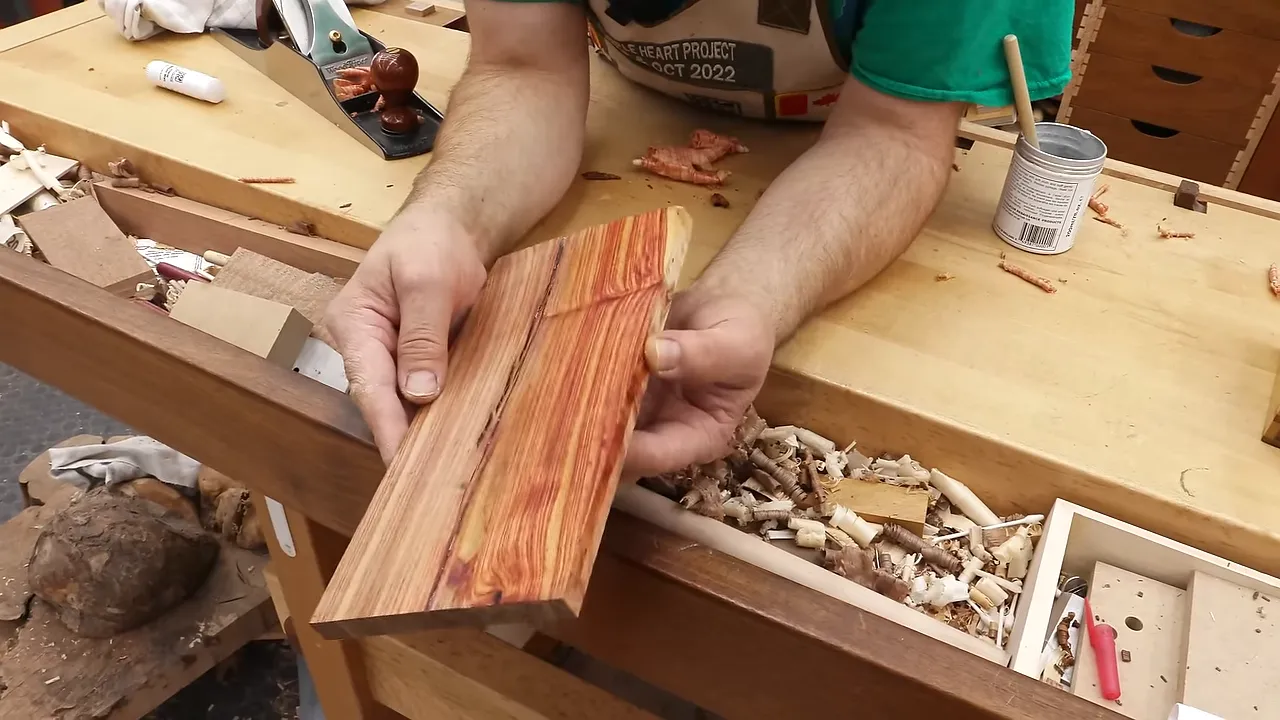
This is another very dense tropical hardwood, and it is expensive enough that you become conscious of every shaving. I typically use it for box lids and box ends, where a relatively small piece can show off a great deal of character. A well-placed cream streak can become an accent within the wood itself.
As with cocobolo, the fresh colors do not stay equally brilliant forever. A small box made in the shop had retained its color fairly well after about four months, but it had received very little ultraviolet light.
Gluing also deserves attention. Tulipwood does not feel especially oily to me, yet I have found it less cooperative with glue than maple, walnut, or cherry. In the box applications I use it for, generous contact area is important. I would not treat it as though it behaved exactly like a domestic furniture hardwood.
5. Shedua: Distinctive Figure for Small Projects
I first encountered shedua in the mid-1980s. The sample I particularly like is figured, quartersawn material, with interesting color variation and a striking surface pattern.
Some woods earn their place through a long list of practical advantages. With shedua, much of the attraction is simply its individual appearance and feel. It is a really interesting wood.
Because of its price, I would not choose it for an entire piece of furniture. Boxes, tool handles, and accent components are more likely uses in my shop.
I do not have a long-aged example available to make a firm comparison with a freshly planed surface. My recollection is that it does not change dramatically, but I would rather be clear about the limits of my experience than promise a particular aged color.
That distinction matters when choosing unfamiliar woods: an impression from memory is not the same as a fresh piece beside an old finished example.
4. Verawood: A Remarkable Green Wood
Verawood has one immediate endorsement in our shop: it is Super Dave’s favorite wood. Its color gives it a very good case.
Also known as Argentine lignum vitae, it is related to lignum vitae, a wood historically used for stern tube bearings because of its natural oiliness and wear resistance.
Freshly cut verawood can be almost yellow. Then it changes rapidly toward green. I have cut it on the bandsaw, left a small pile of yellow dust, and returned a couple of hours later to find that the pile had turned green.
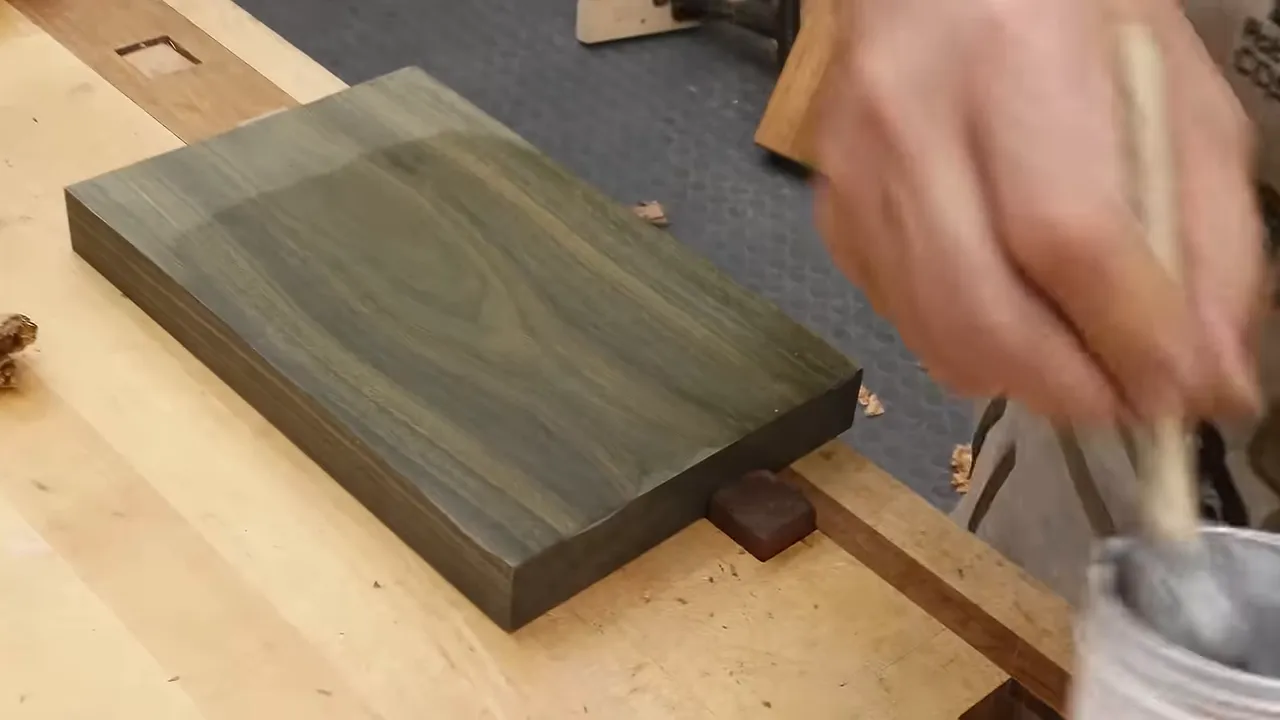
The resulting green can be wonderfully rich. How can you not like a wood that does that?
It is also very hard and extremely dense. It definitely does not float, so it would make a poor choice for a life preserver.
Its appearance continues to change with age, just as the other woods do. Keeping it out of direct sunlight should give you more time to enjoy that distinctive green color.
3. Walnut: Three Very Different Kinds of Beauty
I feel wealthy when I work walnut. It has a richness about it that I find difficult to resist. And “walnut” covers some very different appearances.
Black Walnut
A piece of black walnut with crotch figure shows what happens where a trunk or substantial branch divides. The grain changes direction around that fork, producing wonderfully complex patterns.
It is an entirely different visual experience from a straight-grained board, even though both are black walnut.
English Walnut
English walnut is one of my favorites within the walnut family. Its color and character are quite different from black walnut, and it has a richness all its own.
When I plane it, the shaving can feel almost like a rubbery skin. It is a distinctive working quality, and another reminder that choosing wood is about more than its appearance.
Claro Walnut
Claro walnut can carry extraordinary figure. Dale used to obtain highly figured stumps from walnut orchards as those orchards were removed.
The orchard trees involved grafting English walnut onto suitable walnut rootstock to combine desirable nut production with a desirable root system. Material around those old stumps could be full of character, and a piece containing the actual graft line could show where the two had grown together.
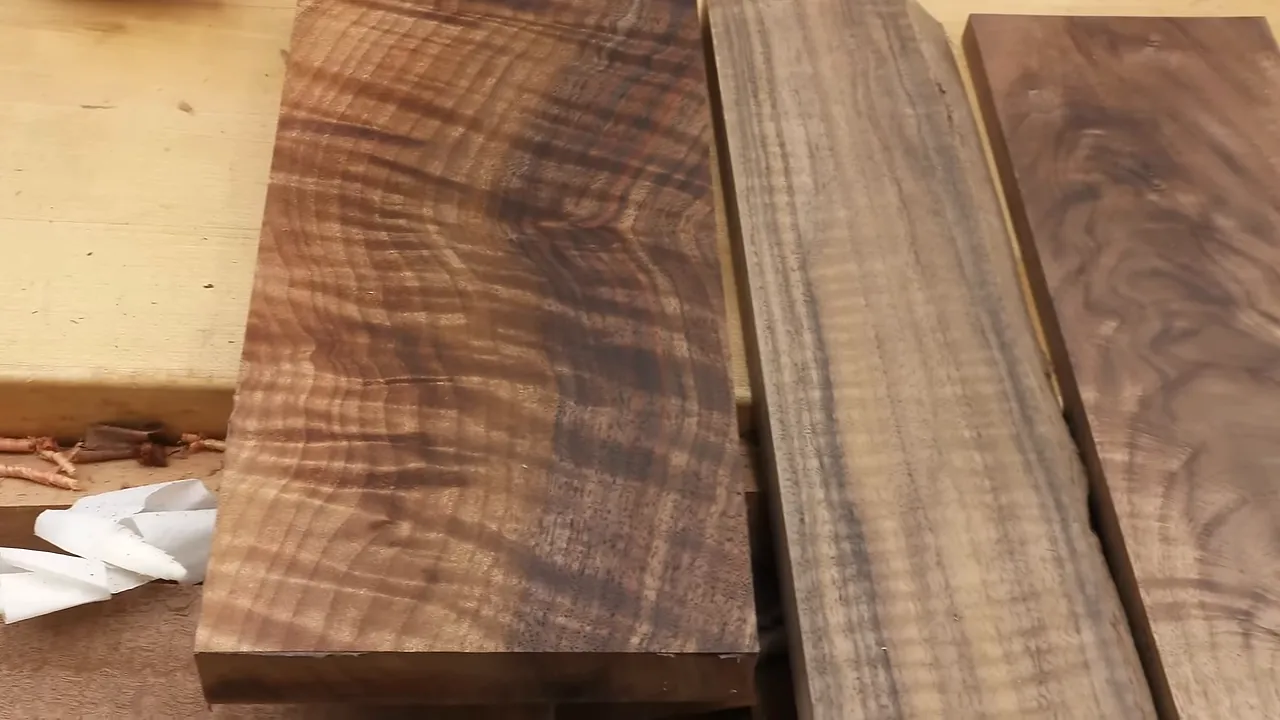
Put these three walnuts beside one another and the differences are remarkable. That variety is a large part of why walnut ranks so highly for me.
2. Maple: Durable, Plentiful, and Beautifully Figured
For a long time, maple occupied my number-one spot. I especially like the hard eastern maple used in furniture: it is tough, durable, tends to be stable, and is relatively plentiful.
Hard maple, also commonly called sugar maple or rock maple, has a Janka hardness of about 1,450 pounds-force. Among commercially available North American furniture woods, it is a hard-wearing choice.
Bird’s-Eye Is Figure, Not a Species
Bird’s-eye describes the pattern in the wood, not a separate species of maple. Its little eyes can become much more obvious when you turn a board around and change the direction from which you look at it.
The size of those eyes varies. For a small box, I would generally prefer smaller eyes. On a larger piece of furniture, larger eyes can suit the scale better.
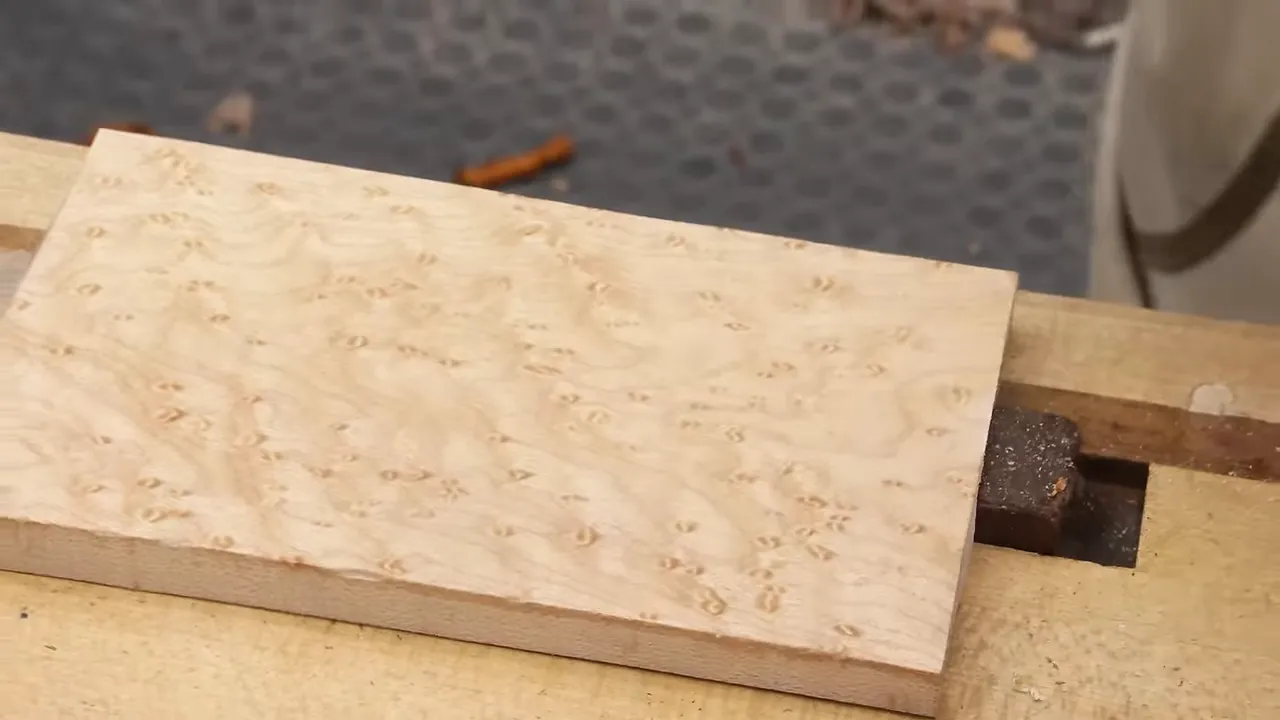
Yes, You Can Hand Plane Bird’s-Eye Maple
People often ask whether bird’s-eye maple can be planed. Of course it can, and a good hand-planed surface feels wonderfully silky.
The essentials are a sharp blade and a light cut. One useful clue is the shaving itself:
- Take a fine pass across the surface.
- Examine the shaving for holes caused by torn areas in the wood.
- Continue carefully until the shaving comes away intact.
An intact shaving is a useful indication that you have worked below the torn surface. Also pay attention to dark mineral streaks or deposits. In the piece I was working, those areas took the edge off a plane blade very quickly.
There Is More to Figured Maple Than Bird’s-Eye
Maple can also show swirls and rippled grain that reflect light differently across the surface. Some areas may suggest fiddleback, while others do not fit neatly under a narrow figure name. Sometimes “figured maple” is simply the most accurate description.
Whatever the pattern, the combination of beauty and durability makes hard eastern maple an exceptional furniture wood.
1. Northern White Pine: The Wood I Most Enjoy Working
After more than 50 years of woodworking, northern white pine has become my favorite wood to work.
That may seem an unexpected choice after all those exotic colors and dramatic figures. But pine has qualities that become more important the longer you make furniture and live with it.
It is warm to the touch. I love its smell. I love sawing it, chiseling it, and planing it. Most importantly, I do not think any wood ages better.
Pine Looks Right After It Has Been Lived With
Keep a piece of furniture in a house for more than ten years and it is going to acquire marks. To my eye, damage on a polished hardwood piece often looks unfortunate. On pine, those same signs of use can look entirely at home.
The dings become part of its character, while the surface develops a deeper honey-colored patina.
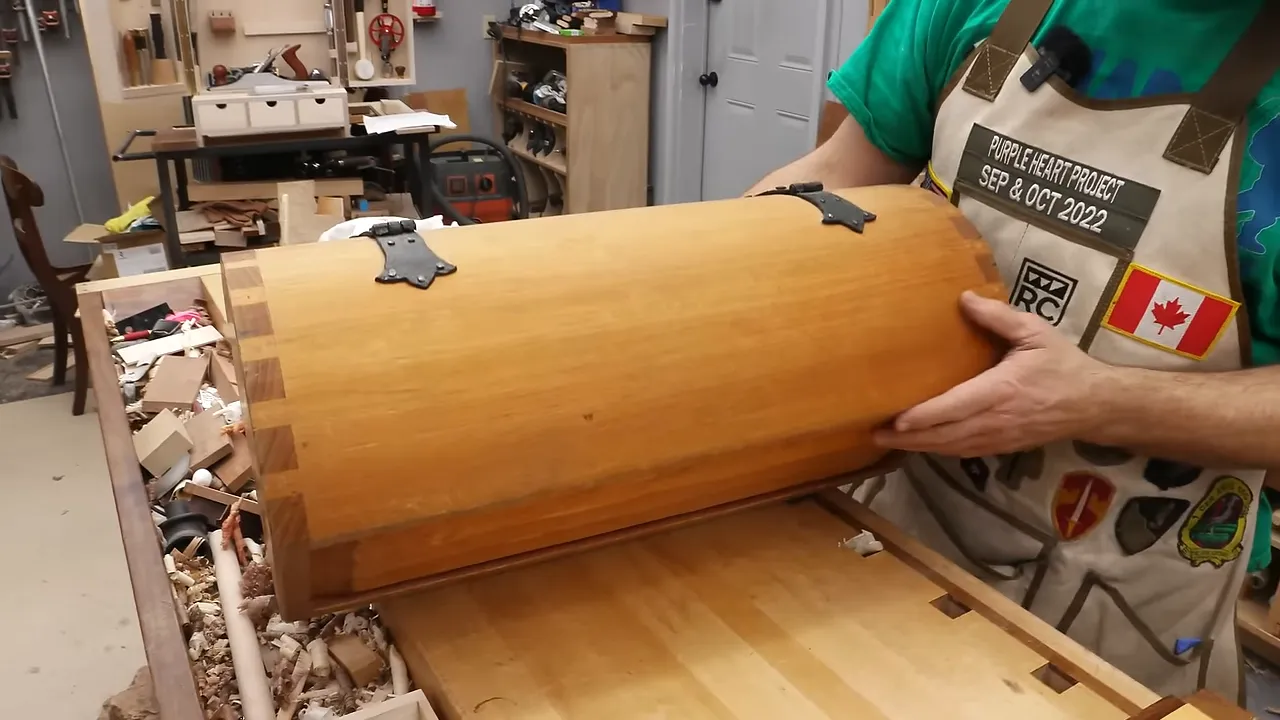
My replica of a 17th-century French Canadian traveler’s chest is a good example. It has an oil finish, which I believe was linseed oil, and its color has continued to grow richer. The nails are clinched inside, following the construction approach represented by the original chest.
Soft Does Not Mean Easy
Pine machines beautifully, but it demands care. You can mark it with a thumbnail. Careless handling during construction can leave damage long before the piece reaches its home.
That is one reason I start students cutting dovetails in pine. It requires a level of finesse that working in hardwood does not always teach. You have to develop control rather than assume the material will tolerate rough treatment.
It is also relatively easy to obtain in wide boards, although clear stock is not necessarily cheap. Its softness is a limitation you must respect at the bench, but the way it wears and ages is precisely what I appreciate in the finished furniture.
For all the pleasure I get from rare hardwoods, colorful accents, and spectacular figure, northern white pine is the wood I most enjoy putting tools to.
Choose a Wood You Will Enjoy Working and Living With
There is no single wood here that does every job best. Holly provides contrast. Cocobolo and tulipwood bring remarkable color to small components. Yew feels wonderful in a tool handle. Walnut offers richness, maple offers toughness and figure, and pine develops the kind of lived-in character I love.
Try a few of them. Plane a surface, apply a little finish, and pay attention to the feel as well as the appearance. Then keep the sample long enough to see how it changes. The wood you enjoy most on the day you finish a project may not be the one you appreciate most thirty years later.


