A beautiful board does not necessarily make an enjoyable woodworking project. Some woods fight the hand plane. Some produce dust or odors I cannot stand. Others tempt you with a wonderful color, only to turn into something quite different after you have built the furniture.
I counted more than 60 species in my shop, and over the years I have probably worked with somewhere between 60 and 100. There are woods I thoroughly enjoy, and there are others I would happily leave alone.
These are my 10 least favorites, along with the experiences that put them on the list. This is a list of personal preferences, not a declaration that nobody should use these woods. One of them may be your favorite. But if you are choosing wood for a project, especially as a beginner, knowing what you are getting into can save you some grief.
Key Takeaways
- Choose wood for its aged appearance, not just its freshly machined color.
- Working hardness and grain differences can make an appealing board unpleasant to hand-plane.
- Visible secondary parts deserve attention to color and contrast at the joints.
- Personal reactions to dust and odor can outweigh otherwise attractive working properties.
1. Padauk: That Brilliant Orange Does Not Last
Padauk, sometimes called vermilion, has an extraordinary orange color when it is freshly worked. That is exactly what draws people to it. Unfortunately, it is also the source of my biggest disappointment with the wood.
My first experience with padauk was a Maloof-style rocking chair I built in 1987. Freshly made, it had that striking color. Then it began to darken. Today, it is a deep, dark brown that, to my eye, has lost the qualities that made me choose it in the first place.
That is a frustrating result after investing all the work that goes into a chair. You fall in love with the orange, build around it, and then the orange disappears.
Do not choose padauk on the assumption that a finish will permanently preserve its fresh color. The change can happen surprisingly quickly, and I do not find the eventual color particularly attractive.
Padauk can also have pale sapwood, the wood from the outside portion of the tree. That light strip provides a strong contrast with the heartwood, but it is difficult to base an entire furniture design around a small feature like that.
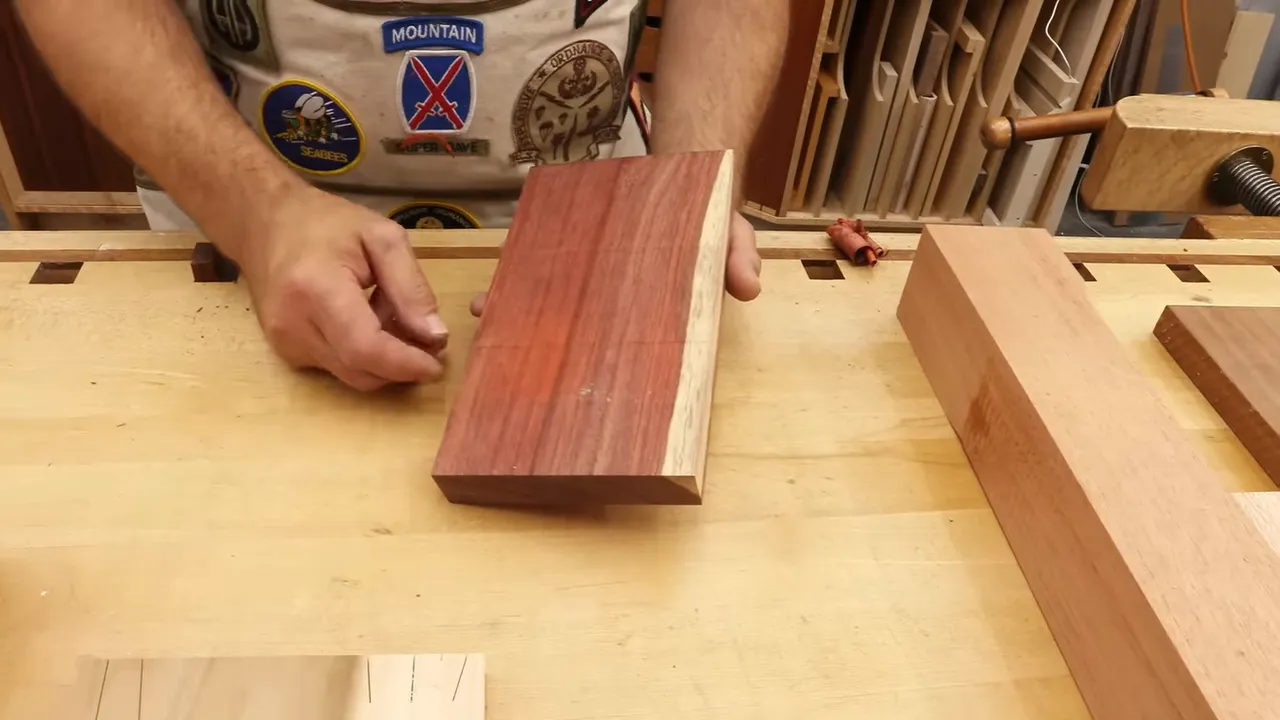
There is another consideration: padauk dust can cause adverse reactions in some people. Protective equipment matters, but even setting the dust issue aside, the color change is enough to keep it off my preferred list.
2. Southern Yellow Pine: Too Much Difference Within the Grain
I like pine. I just do not like all pine equally.
Northern white pine is a wonderful furniture wood. It feels warm to the touch, cuts nicely, planes beautifully, and develops an attractive appearance with age. Southern yellow pine gives me a very different experience.
I think of southern yellow pine primarily as construction lumber rather than a wood I want to use for fine furniture. It can be surprisingly hard, harder in actual working hardness than some hardwoods.
The bigger problem for me is the pronounced difference in density between the springwood and summerwood. Those alternating growth bands create the grain pattern, but they also mean the tool is encountering distinctly different material as it cuts. I simply do not enjoy working it.
If you want a pleasant pine for a furniture project, I would look for northern white pine or sugar pine instead. They are separate choices, but both belong on the list of pines I would investigate before reaching for southern yellow pine.
3. Purpleheart: Difficult Working Qualities and Temporary Color
Given my connection with the Purple Heart Project, this choice might surprise you. But purpleheart the wood has never been a favorite of mine.
First, I generally do not find it pleasant to hand-plane. Naturally, an individual piece can occasionally behave well enough to make me look wrong, but that does not change my overall experience.
It also has a coarse character and is prone to splintering. Those are not qualities that make me eager to spend a day at the bench.
Then there is the color. As with padauk, the dramatic appearance can fool you into choosing the wood for something that will not remain unchanged. Freshly machined purpleheart can look brown, develop its characteristic purple, and eventually darken toward brown again with exposure.
If the success of your design depends on that lovely purple staying exactly as it is, reconsider the choice. Between its working properties, splinters, and changing appearance, purpleheart does not offer enough reward for me.
4. Tulip Poplar: Acceptable Hidden Away, Less Appealing on Drawer Sides
Tulip poplar is a common secondary wood. That distinction is worth understanding when you are planning furniture:
- Primary wood is the wood selected for the main visible surfaces of the piece.
- Secondary wood is used for parts such as drawer sides, drawer backs, and internal components.
Poplar is a popular choice for those secondary parts, no pun intended. It is a medium-density wood, and if the component will remain completely out of sight, I have no great objection to using it.
My objection comes when those parts are visible, particularly drawer sides. Poplar often has a green cast that I try to avoid. With time, the pale areas can develop a grayish-white appearance, while the green oxidizes toward a brown I do not care for.
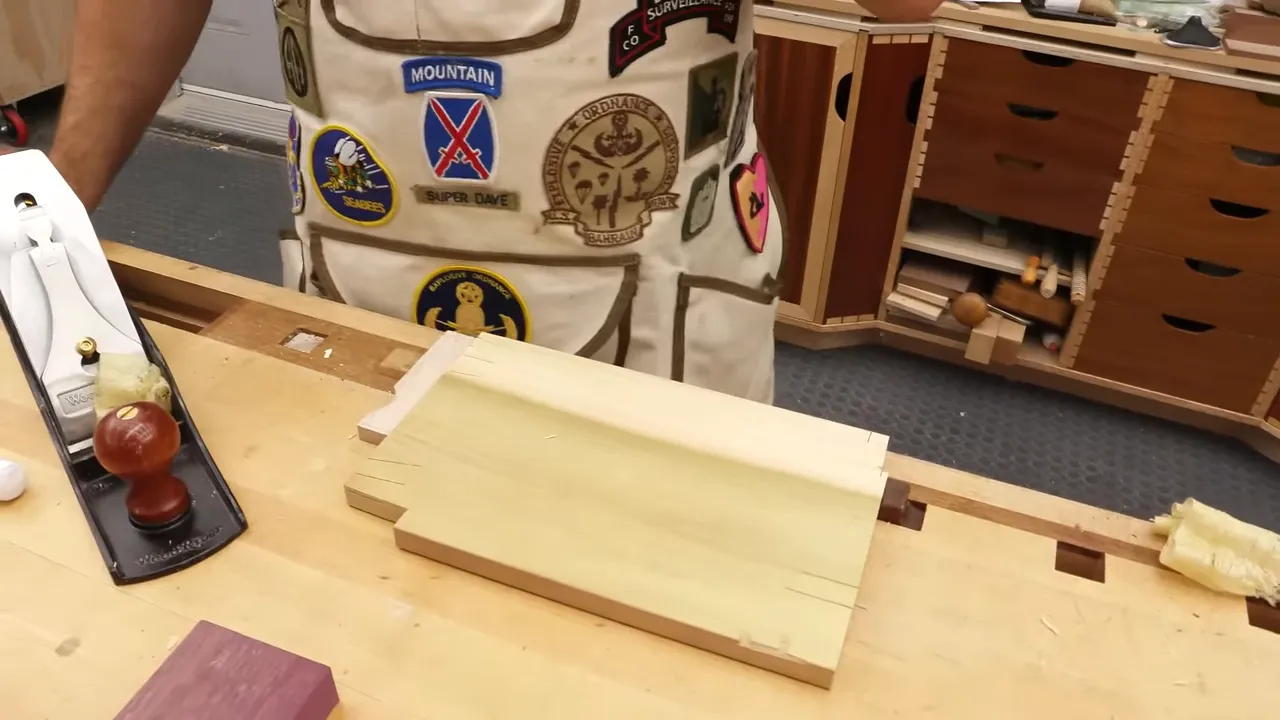
For drawer sides, I much prefer aspen. It tends to stay white and gives a clean, attractive contrast at the joint lines. That makes a difference when you open a drawer and see the joinery.
There is also the smell. I cannot stand the odor of poplar while it is being processed. That is personal, certainly, but enjoying the work matters to me.
5. Spanish Cedar: The Color Was Right, but the Experience Was Not
I discovered my dislike for Spanish cedar while building my workbench. I wanted a dark wood, ideally mahogany, but I could not find mahogany in the thickness I needed at a price I could afford.
My wood supplier suggested Spanish cedar. The color was right, so it seemed like a reasonable alternative.
Then I began machining it.
As soon as I put it through the table saw, I got an awful taste in my mouth and an unpleasant sensation in my nose. That became the defining characteristic of working Spanish cedar for me.
It actually planes reasonably well. The problem is not that it refuses to cooperate with the tool. The problem is that even hand-planing it can bring back that taste.
I dread processing it, and that is enough reason to choose something else. A wood can have the right appearance and decent working properties and still be a poor match for the person using it.
6. Makore: Another Unpleasant Taste While Processing
Makore landed on my list for essentially the same reason as Spanish cedar.
I was looking for a dark, mahogany-like wood for my tool cabinet and was introduced to makore. It processes nicely, and in that respect there was plenty to like.
But once again, working it produced a terrible taste in my mouth. Even a small amount of sawdust was enough to bring it on.
Yes, respiratory protection is an option. My preference, though, is to choose a different material rather than spend the day working a wood I find so unpleasant. That preference is not a substitute for using appropriate protection when it is needed.
Anything that takes away from my enjoyment in the shop has to offer a compelling reason to stay. For me, makore does not.
7. Lauan: Not the Mahogany I Want
Growing up in the 1960s and 1970s, I saw plenty of house trim described as mahogany. Much of it was not true mahogany at all. It was sold as Philippine mahogany, or lauan.
That name can create expectations the material does not meet.
The lauan I worked with was soft and lacked the attractive figure you can find in some true mahoganies. I never found much in it that made me want to use it for my own projects.
I have rather uncharitably called it a weed. That tells you where it sits on my list.
The practical point is to look beyond the name. If what you want is the appearance and character of true mahogany, do not assume a wood sold under a mahogany-related trade name will give you the same experience.
8. Jatoba: A Miserable Substitute for a Hand-Tool Class
My dislike of jatoba comes with a lesson I learned the hard way.
I used to teach week-long classes in Ontario four or five times a year. We used mahogany as a contrasting wood alongside poplar or pine. It worked well, but it was expensive, especially when so much of the material ended up on the floor as practice pieces and shavings.
Before one class, I called a lumberyard and asked whether they had a less expensive dark wood. They suggested jatoba. I had never worked it and was assured it was much like mahogany.
It was not.
I flew in, the wood had been delivered, and I had demonstrations to do. Trying to plane it felt like trying to plane concrete. The scrub plane wanted to ride over the surface rather than take the cut I expected.
As the instructor, I had to tough it out. Unfortunately, so did the students. It was a miserable choice for that class.
Jatoba is extremely hard. My impression was roughly twice the hardness of eastern hard maple, which is already plenty hard to work by hand. An attractive piece does not erase that effort.
I do not mind working hard when the result is rewarding enough. With jatoba, I would rather find another wood. And I would certainly not accept “just like mahogany” as sufficient information before committing a class to it again.
9. Red Oak: Too Coarse and Too Visually Insistent
This one is likely to make a few enemies: red oak is among my least favorite furniture woods.
I find it coarse in texture, with a grain pattern that demands too much attention. It is not subtle. To my eye, the grain is right in your face.
I have joked that once fast-food restaurants start using a wood extensively for their interior trim, furniture makers should have moved on already. That is a matter of taste, of course, but it captures my reaction to red oak.
I like some of its initial color, but I do not care for the yellowing I see over time. Between that and the coarse appearance, there are simply too many other woods I would rather use.
This is not a rejection of oak altogether. I like white oak, and I love English brown oak. Red oak just does not have the same appeal for me.
10. Alder: A Secondary Wood I Never Enjoyed
My experience with alder goes back to earning my degree at Brigham Young University. A good deal of the lumber supply came from the Pacific Northwest, and alder was the secondary wood available to us.
I did not enjoy it then, and I have never developed a liking for it.
I found it soft, plain, and an unattractive reddish brown. It offered little visual interest to make up for those qualities. Put it beside poplar, and I would take poplar any day, despite the objections I have already raised.
In fact, I do not even keep a piece of alder in my shop. There are too many alternatives I would rather work with.
Choose Wood for More Than Its First Impression
The common thread here is not that every wood must be easy to plane or that every board must have spectacular figure. It is that the material should justify both the work and the finished result.
Consider how the color will age, how the wood behaves under your tools, whether its texture suits the design, and whether you actually enjoy processing it. A striking fresh surface or a lower price does not tell you everything you need to know.
There is an extraordinary range of wood available. Verawood, Macassar ebony, kingwood, fiddleback maple, bird's-eye maple, and ziricote offer just a glimpse of the colors and figure worth exploring.
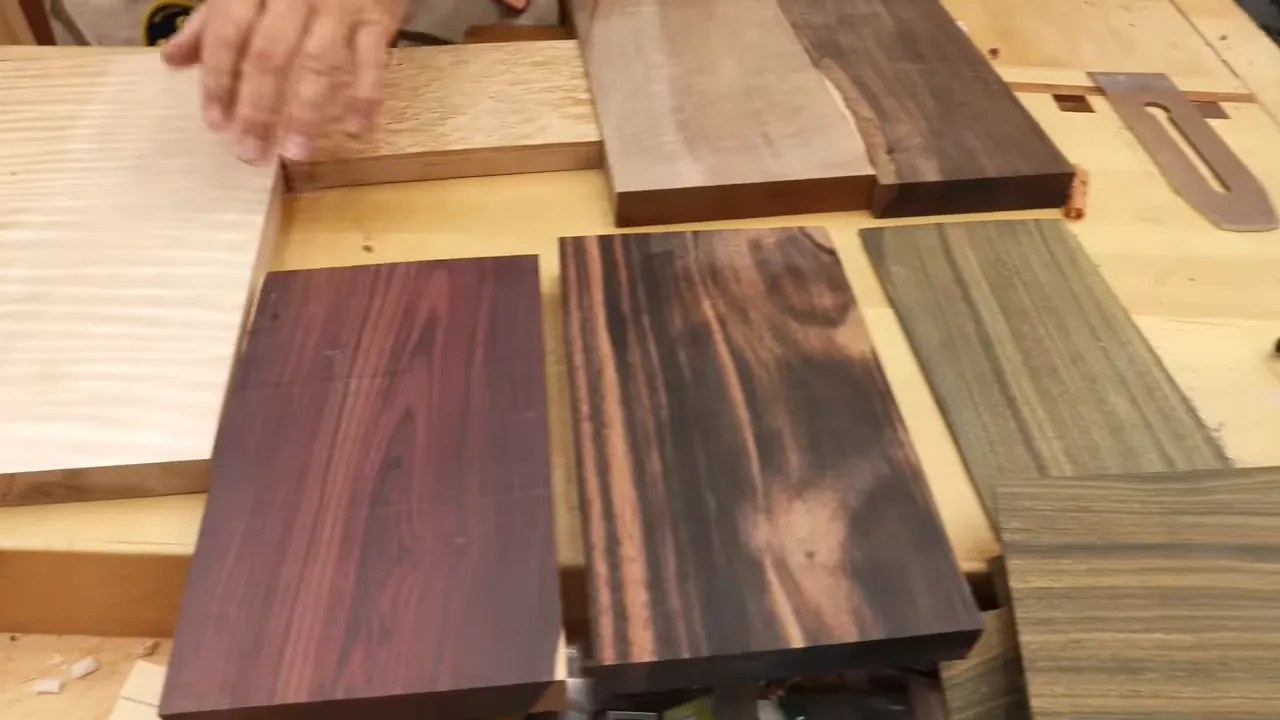
Your favorites may be different from mine. That is fine. But do not keep using a wood simply because it is familiar or because someone else recommended it. Explore what is available, find out how it works, and choose material that makes you glad to be in the shop.


